Retracing History
The Forest Park Living Lab Joins the Return of the Wild Lewis & Clark
More than two centuries ago, Meriwether Lewis and William Clark set off from the St. Louis area on an epic journey of discovery, documenting the wild landscapes, navigable rivers and land routes, plants, animals, and people of the American West. Fast forward to today, and conservation biologists, land use managers, politicians, and citizen scientists are looking at those same landscapes through a modern lens.
The Forest Park Living Lab is proud to serve as a stop on an exciting initiative, a Lewis & Clark Wildlife Resurvey, coordinated by the Smithsonian’s National Zoo and Conservation Biology Institute and the North Carolina Natural History Museum. Their goal is to revisit the sites explored by the Corps of Discovery some 220 years ago, using modern tools (camera traps) to quantify wildlife abundance along this iconic route. Here is a snapshot of our busy 4-days adventure retracing some Louis and Clark history and natural history in St. Louis.
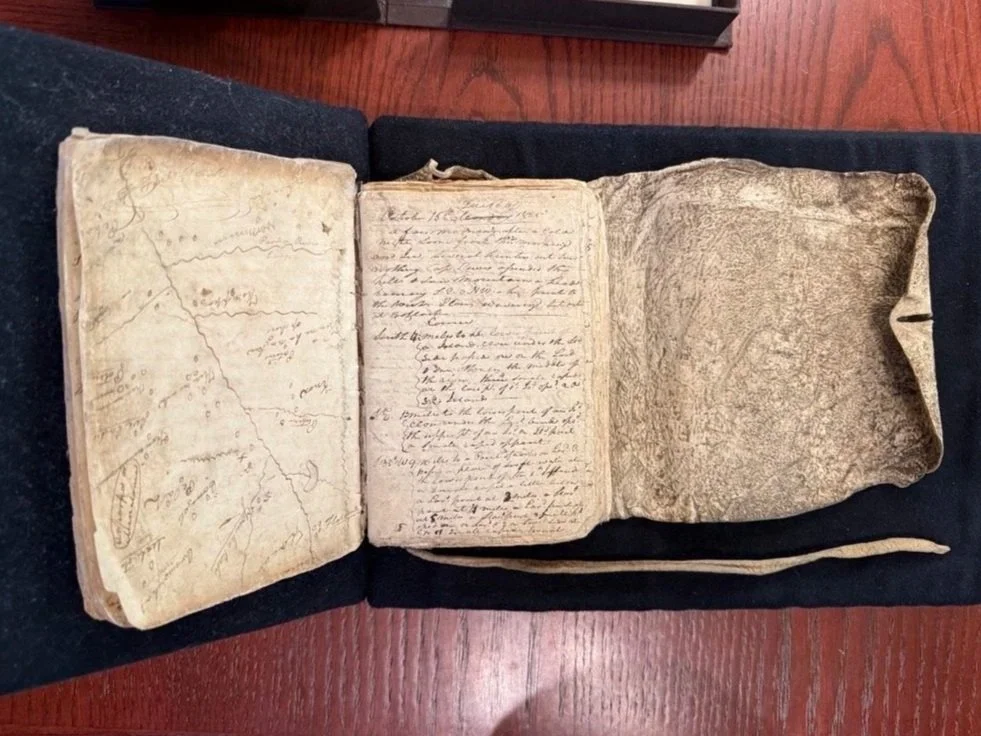
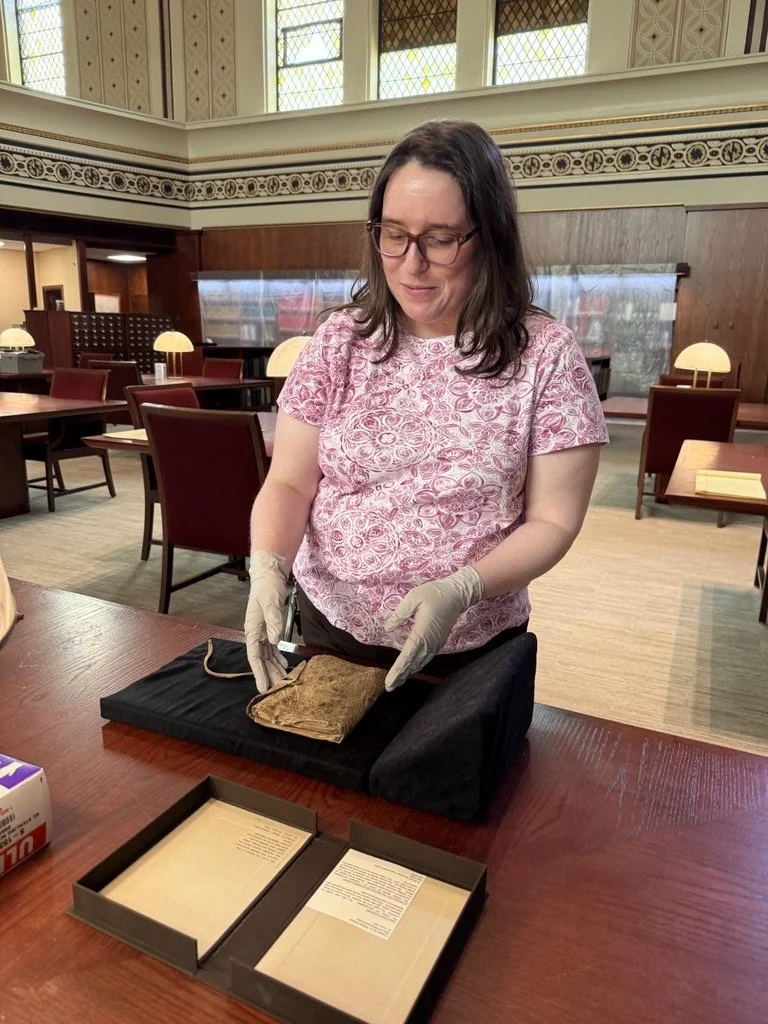
We started our journey on Friday with a visit to the Missouri History Museum to look at a variety of wonderful archival material including one of Clark’s actual field journals. It was an awe-inspiring moment when our gracious host and local history expert, the museum’s curator Lauren Jarvis, brought out the diary Clark carried with him throughout their journey. Inside we saw Clark’s handwritten words on the flora and fauna first encountered centuries ago.
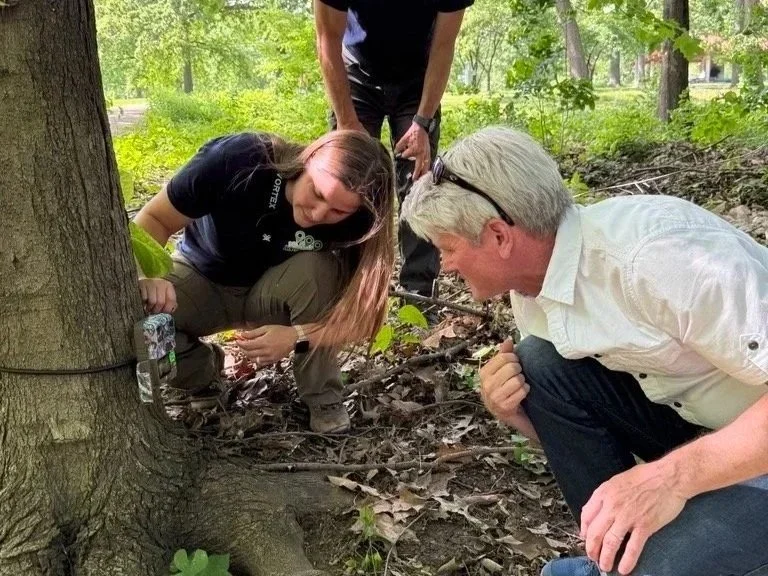
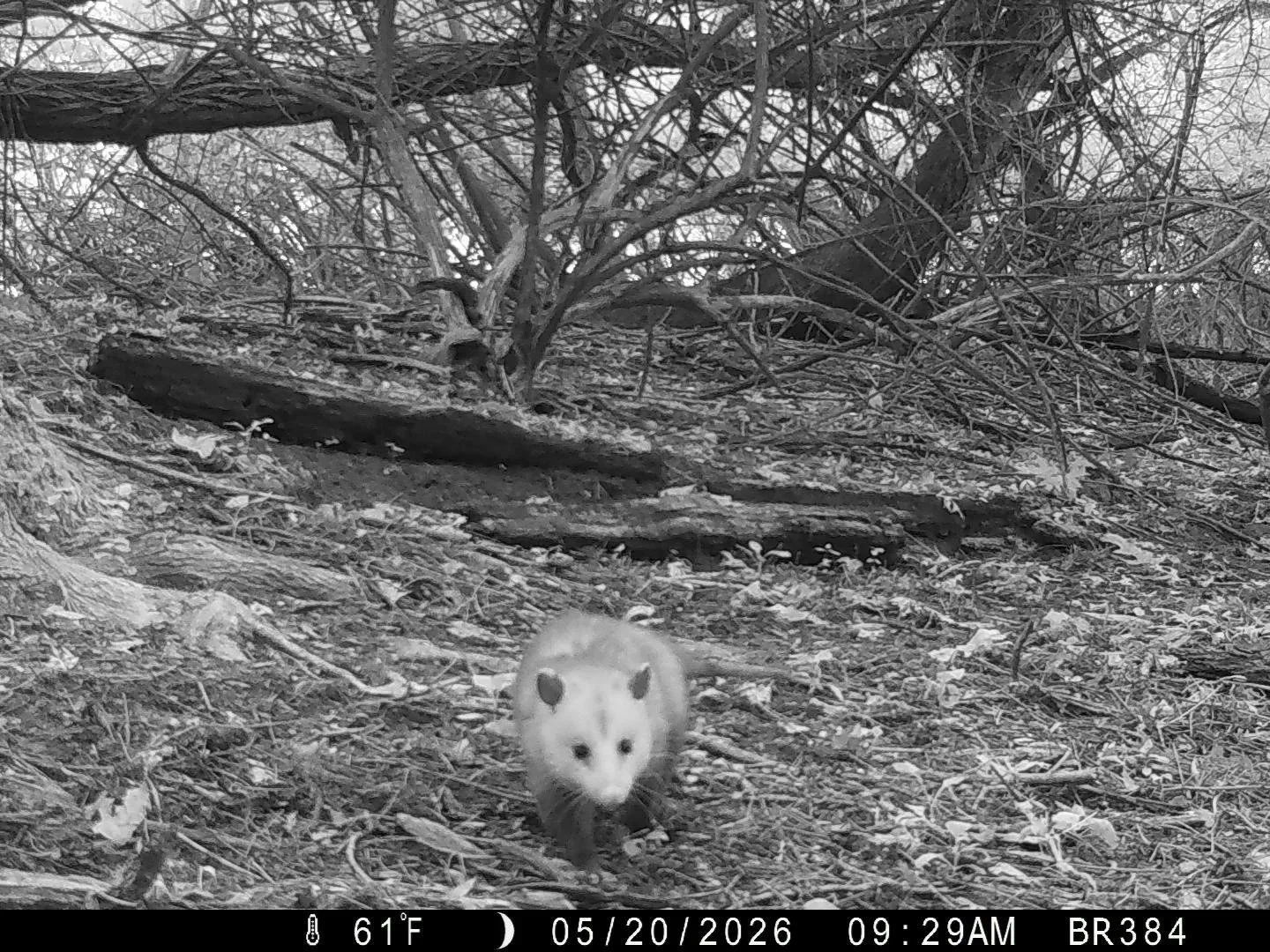
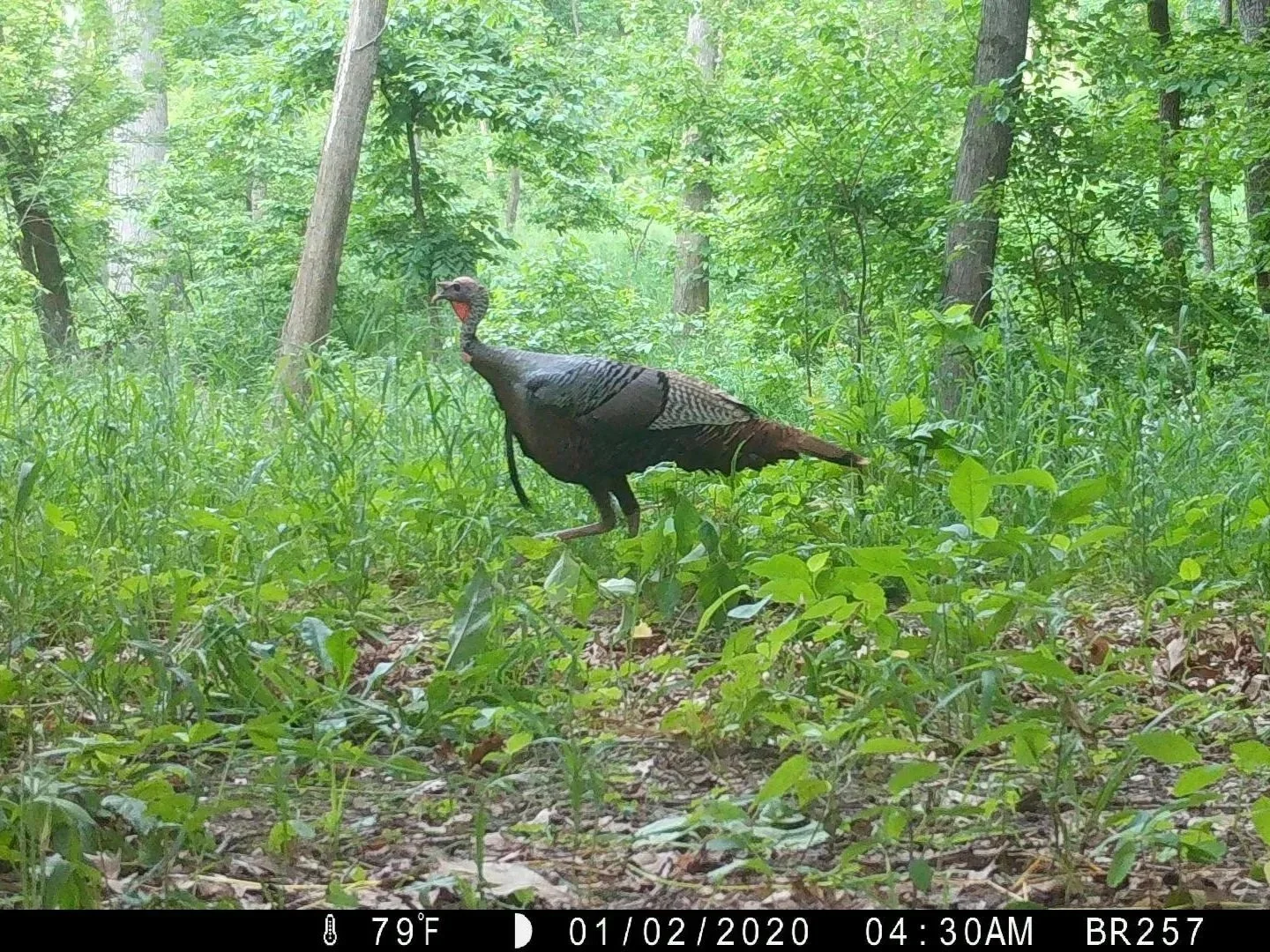
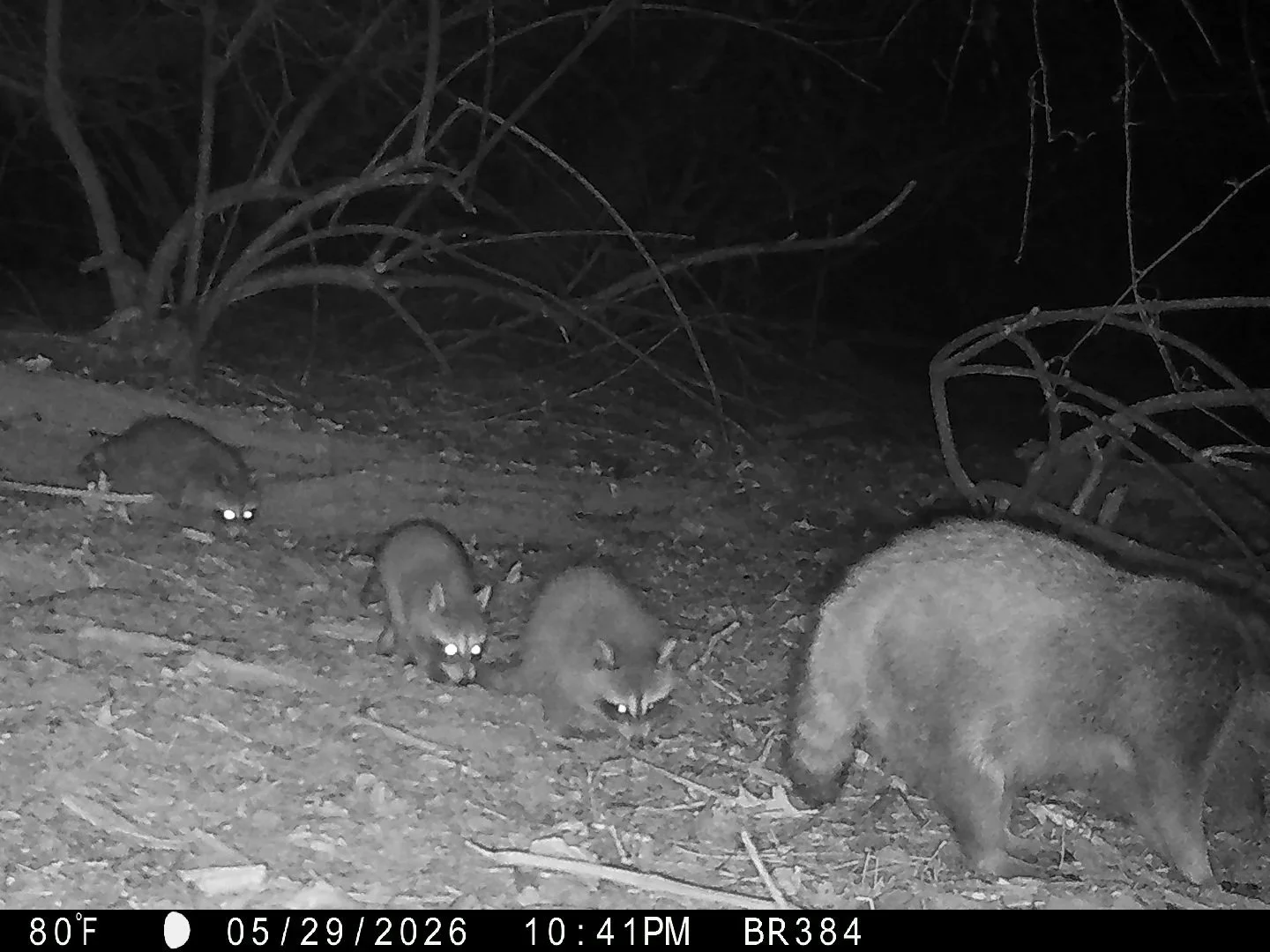
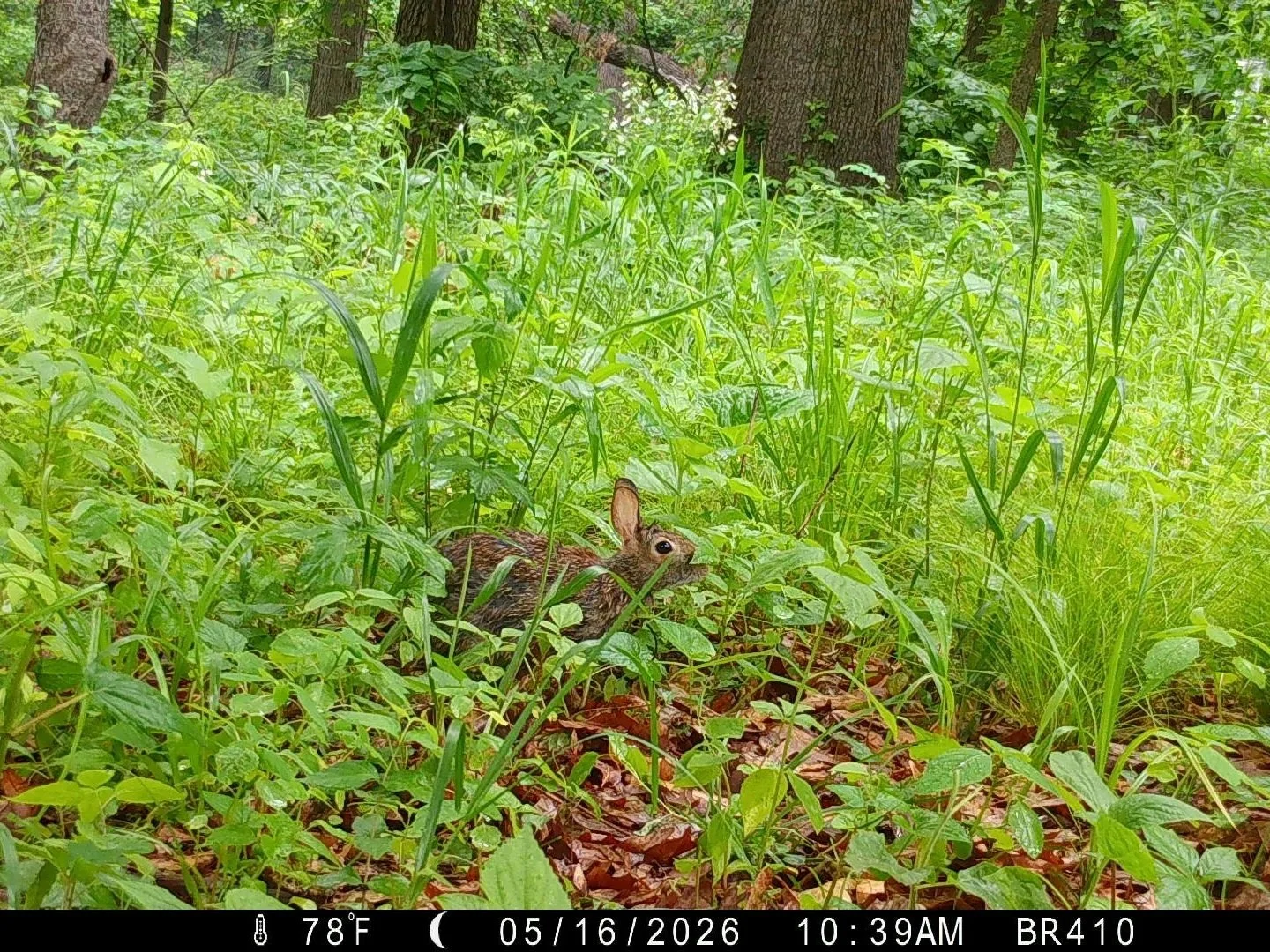
From there, it was straight into the urban wilderness of Forest Park. We checked the camera traps that our FPLL team had previously set up to peek into the secret lives of the wildlife that call Forest Park home (spoiler alert: Forest Park is bustling!). We also checked in on a local Red-tailed hawk nest and spent some time tracking Three-toed box turtles, collecting vital data on how these species navigate our urban park.
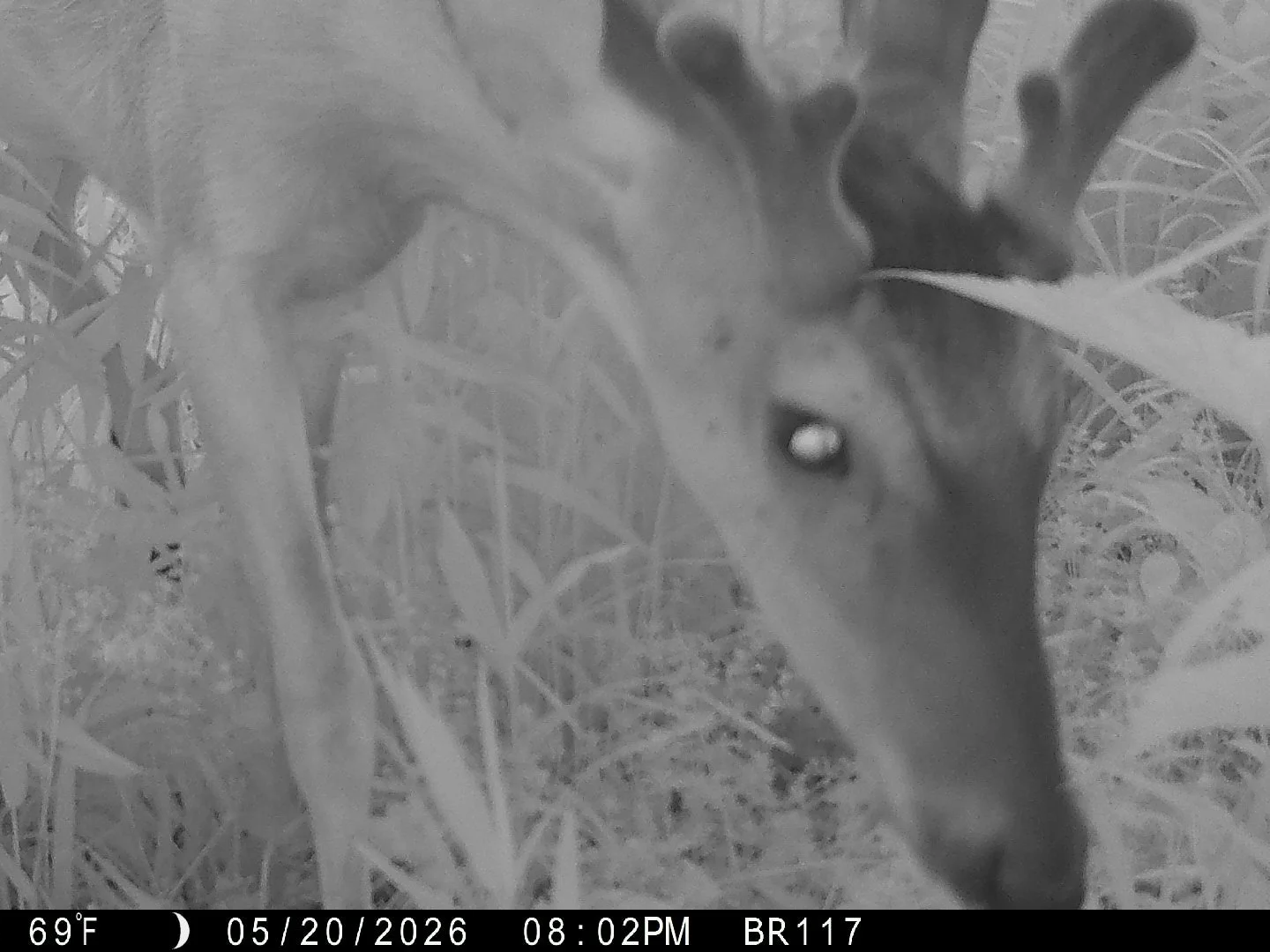
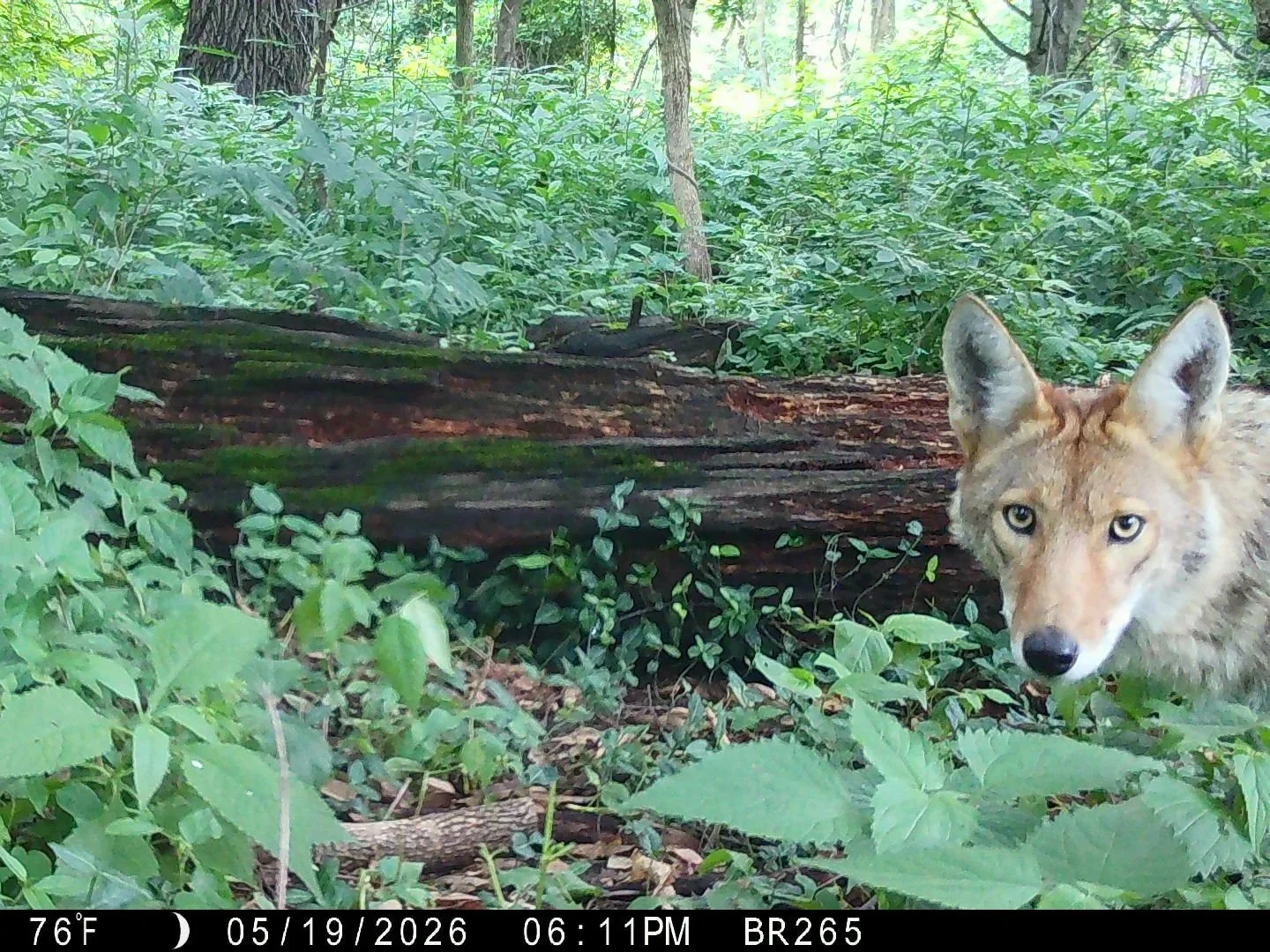
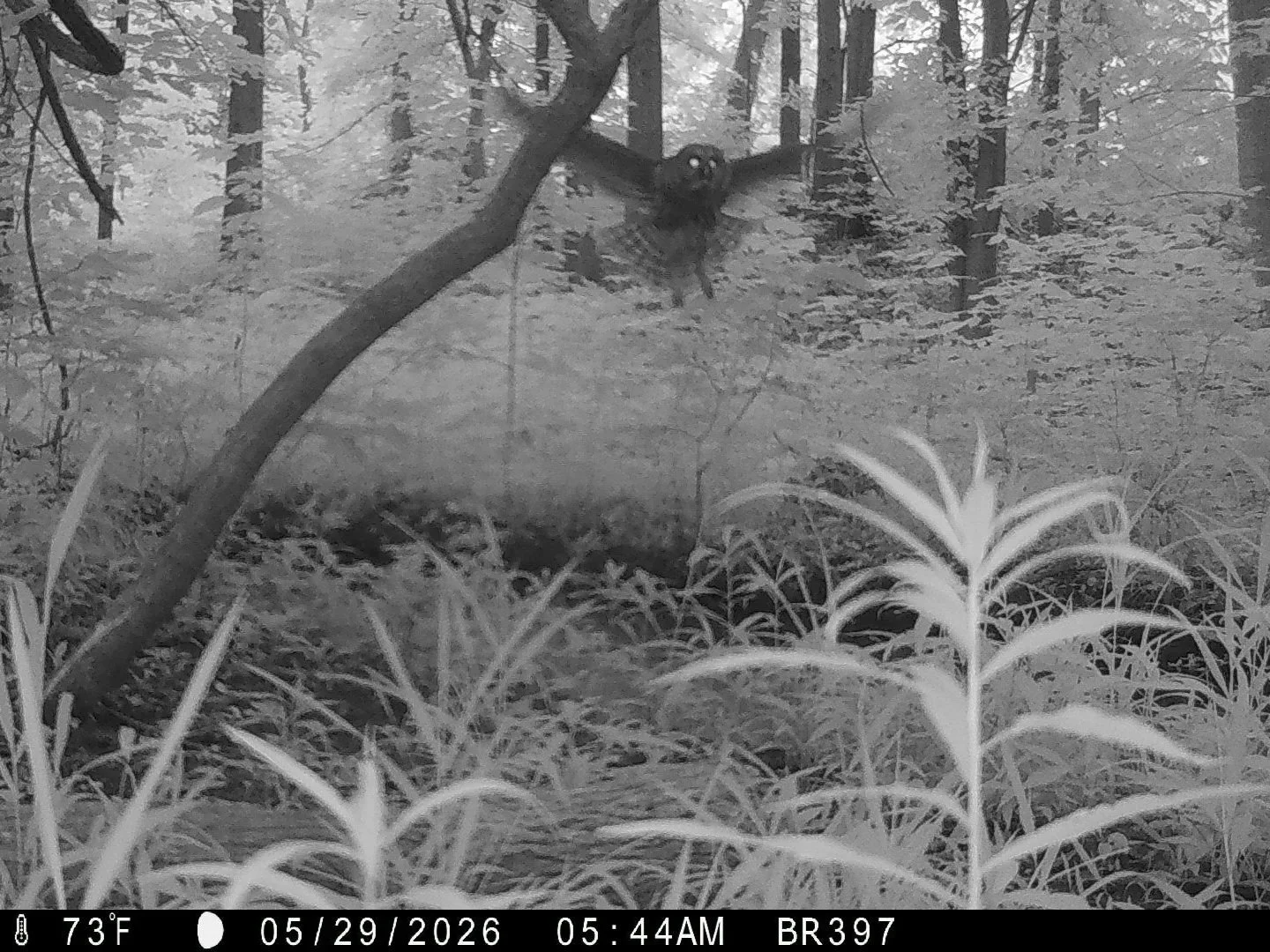
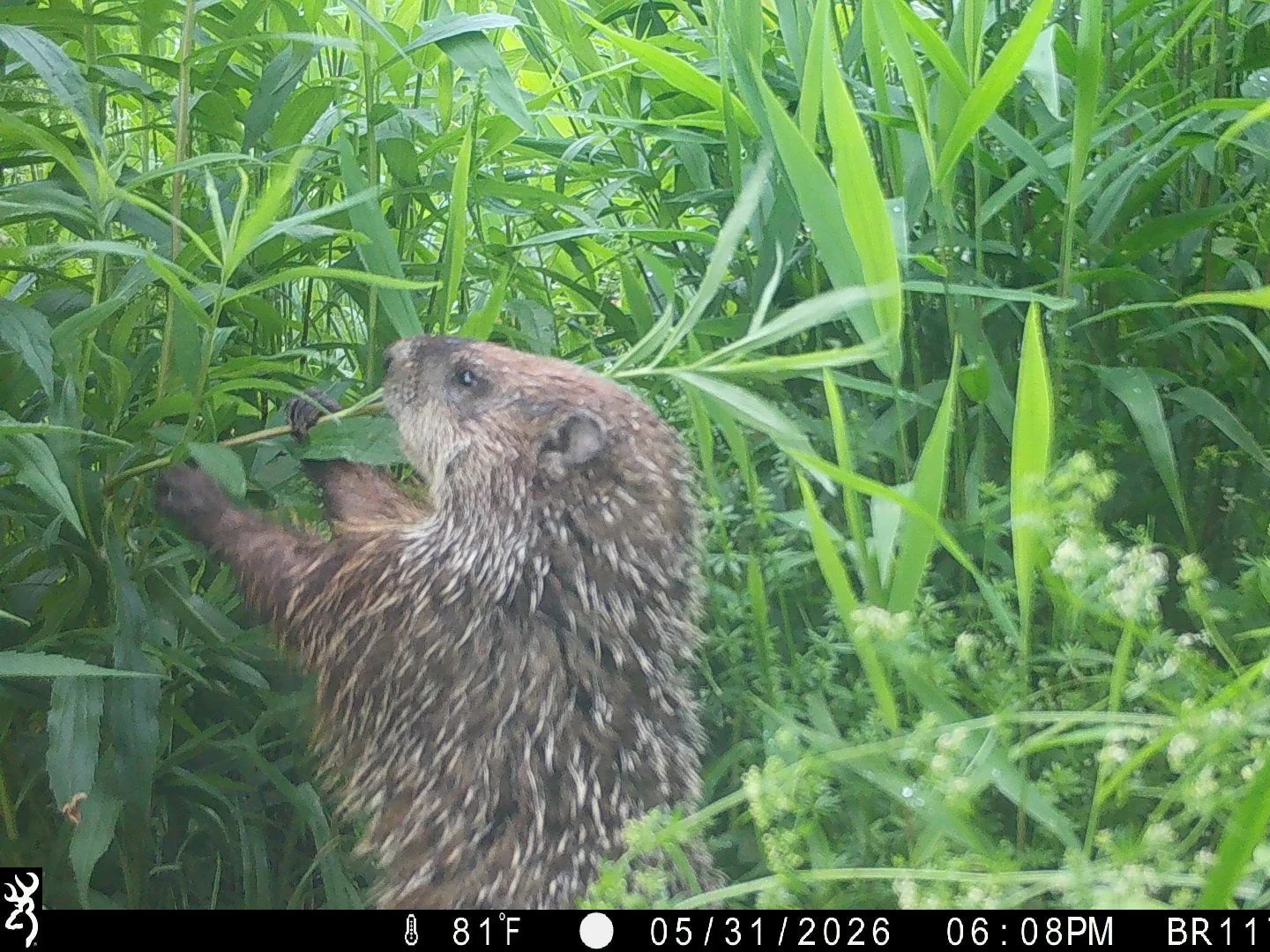
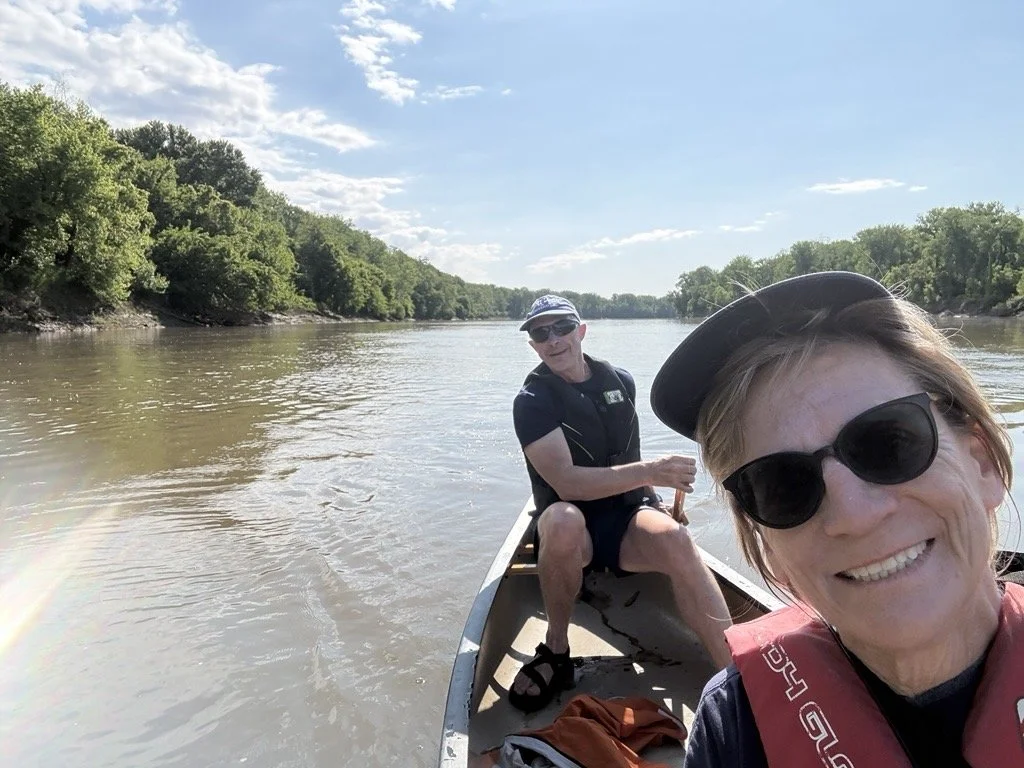
You can’t truly appreciate Lewis and Clark's journey until you get out on the water. On Sunday, the team paddled upstream along the Missouri River around Sioux Passage Park and Howell Island. Let’s just say, paddling upstream on a major river gives you an instant, deep respect for what the Corps of Discovery endured every day for weeks at a time.
We wrapped up our time with the Resurvey team at two events on Monday. Exploring the interface of nature and the human footprint, we visited a second red-tailed hawk nest where a GPS tagged pair and their chick are perched on the side of a tall building just off Interstate 64. Belonging to the St. Louis Community College at Forest Park, the building was a perfect opportunity to document the nesting process. We had previously installed a camera on this nest in April, giving us so much great video of the developing chick and the amazing parental care of the adults to use for outreach.
This hawk family shows the extraordinary lengths animals can go to survive in human-dominated systems. To top it all off, we launched back into the water for one final, iconic paddle starting from the Missouri Arch with our new friends from Big Muddy Adventures, to close the loop on an unforgettable weekend of science and history.
The landscapes have changed, habitats have fragmented, and cities have grown. But by comparing our modern findings (and those of over 80 partner institutions along the voyage of discovery route) with Lewis and Clark's original notes, we are not just looking backward; we are mapping out a smarter, more sustainable way forward for conservation, including conservation in cities like St. Louis.
A huge thank you to all our partners, researchers, and community members who made this stop on the Lewis and Clark Return of the Wild Resurvey a roaring success!
By: Steve Blake and the FPLL team